Scientific Research
Database
Explore peer-reviewed pre-clinical papers, biological mechanisms of action, molecular pathways, and literature citations. Handcrafted for medical researchers and biochemistry analysts.
Legal & Laboratory Compliance Notice
FOR IN-VITRO LABORATORY RESEARCH ONLY: All scientific monographs, molecular sequences, and publications hosted on this platform are intended strictly for educational and biochemical research by qualified academic and scientific personnel. Compounds and monographs referenced are NOT for human consumption, veterinary use, drug manufacture, or direct clinical administration. Statements have not been evaluated by Health Canada or the FDA.
🔬 Scientific Focus Categories
Peptide Shipping and Temperature: Does Heat Damage Peptides?
Many researchers worry about what happens to peptides in the mail. This guide explains how temperature affects lyophilized peptides in transit, what short heat exposure means, and how Geno Bio Canada packs and ships orders across Canada.
Lyophilized Peptides Explained: Freeze-Drying, Shelf Life and Appearance
Most research peptides arrive as a dry powder or cake inside the vial. This guide explains what lyophilization is, how the freeze-drying process works, what a normal lyophilized peptide looks like, and how shelf life is determined.
Peptide Storage and Stability: The Complete Guide
Peptides are sensitive to heat, moisture, light and oxygen. This guide explains the main ways research peptides degrade, the conditions that slow it down, and good laboratory practice for storing lyophilized peptides.
Peptide Microbiology Testing: Sterility, Bioburden and Endotoxin Explained
Microbiology testing checks research peptides for living microbes and the fragments they leave behind. This guide explains bioburden, specified microorganism, sterility and bacterial endotoxin testing, the methods behind them, and how to read each result on a COA.
Peptide Purity vs Sterility vs Endotoxin: What's the Difference?
Purity, sterility and endotoxin are three separate quality checks, and a peptide can pass one while failing another. This guide explains what each test measures, how they differ, and why a Certificate of Analysis should report them separately.
How to Read and Verify a Peptide COA
A Certificate of Analysis (COA) is the record of what a specific peptide batch was tested for and what the results were. This guide explains each section of a COA, the warning signs of an unreliable one, and how to verify a Geno Bio Canada COA by lot number.
How Peptides Are Tested: HPLC, Mass Spectrometry, Identity and Content
A research peptide is usually checked with several different tests, and each one answers a different question. This guide walks through HPLC purity, mass spectrometry identity, net peptide content and the microbiological tests, and explains why no single test is enough on its own.
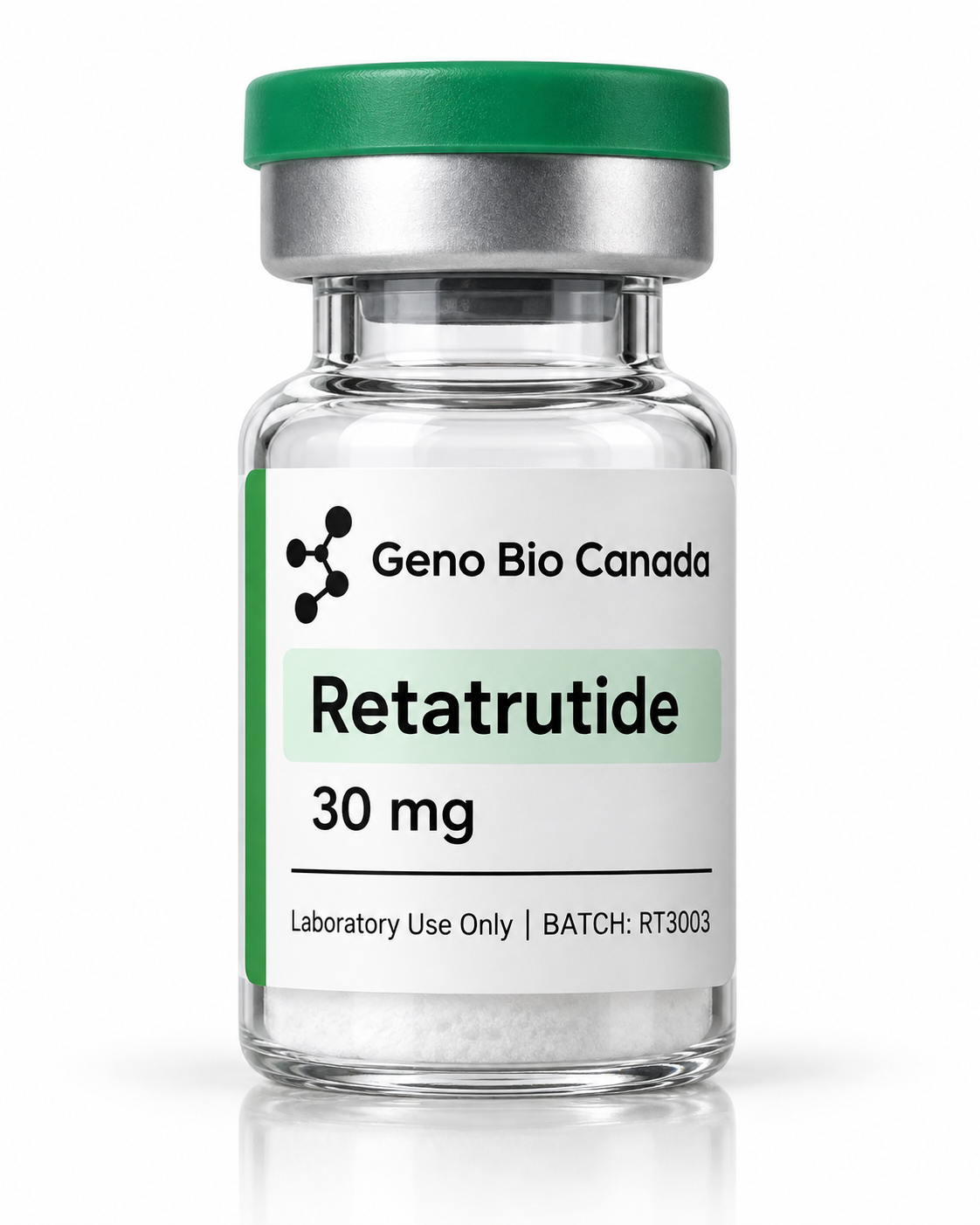
What Does 99% Peptide Purity Actually Mean?
The "99% pure" claim on a peptide label usually means one specific thing: the share of the HPLC signal that belongs to the target peptide. This guide explains how that number is measured, what it leaves out, how it differs from net peptide content, and what to look for on a Certificate of Analysis.
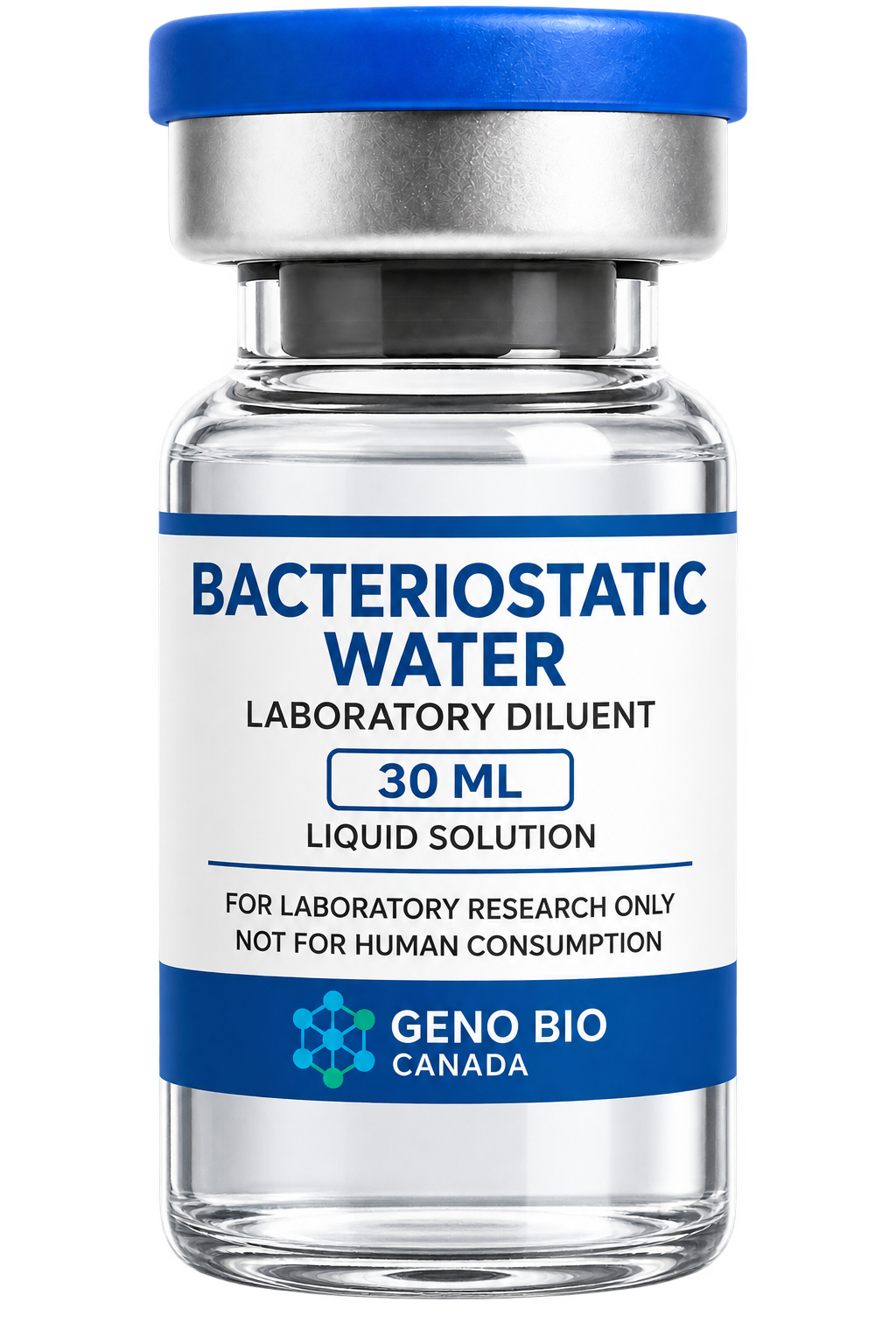
Bacteriostatic Water in Laboratory Peptide Reconstitution: Stability, Osmolarity & Sterile Preservation
Bacteriostatic Water for Injection (USP) containing 0.9% (9 mg/mL) benzyl alcohol serves as the standardized sterile reconstitution diluent for lyophilized research peptides, preventing microbial proliferation and preserving peptide secondary structure in multi-dose laboratory protocols.
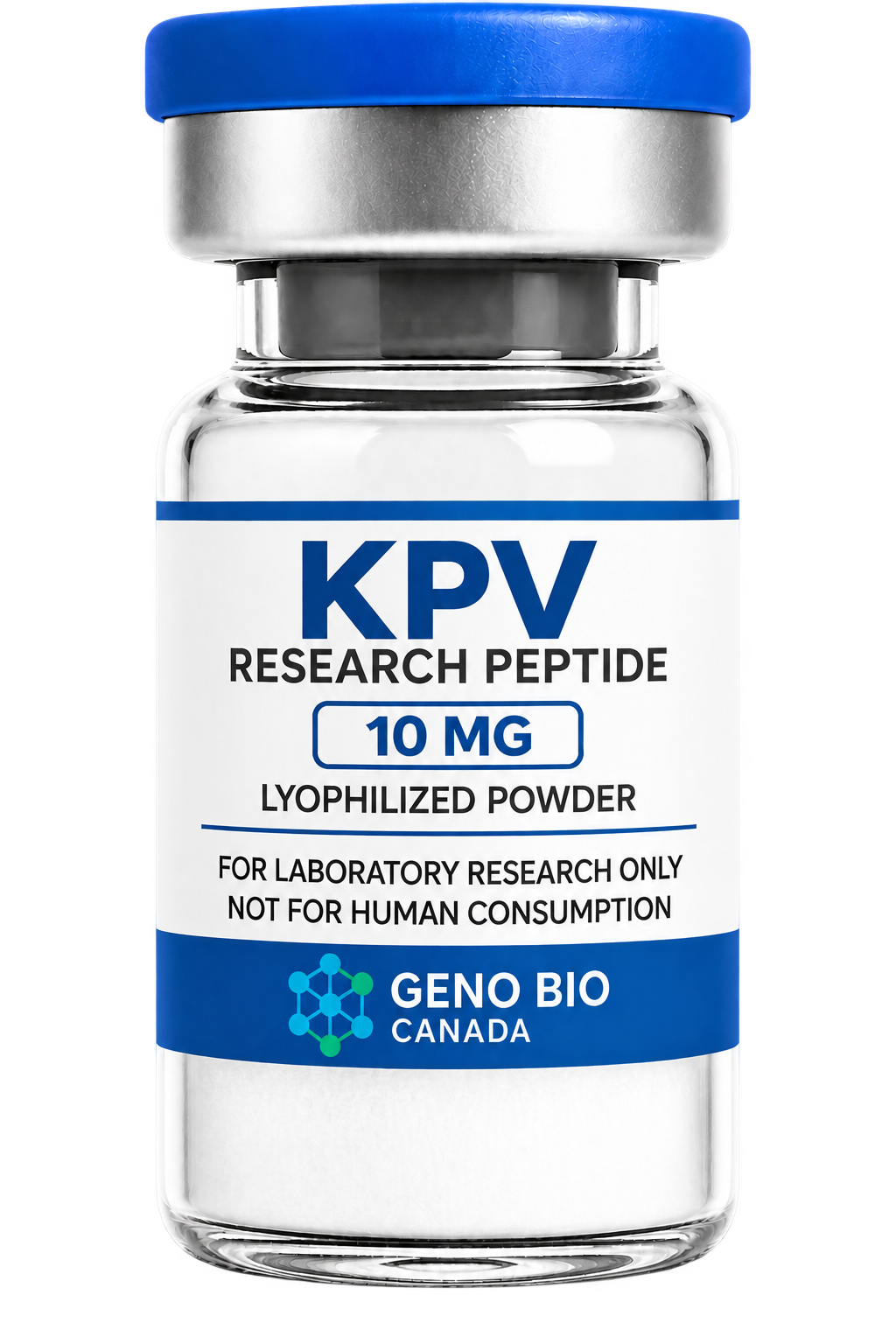
KPV Tripeptide: Alpha-MSH Derivative, NF-κB Pathway Downregulation & Mucosal Healing
KPV (Lys-Pro-Val) is a C-terminal tripeptide fragment of alpha-melanocyte-stimulating hormone (alpha-MSH) that enters cells via the PepT1 transporter, directly downregulating NF-kappaB nuclear translocation, reducing pro-inflammatory cytokine secretion, and restoring mucosal barrier integrity.